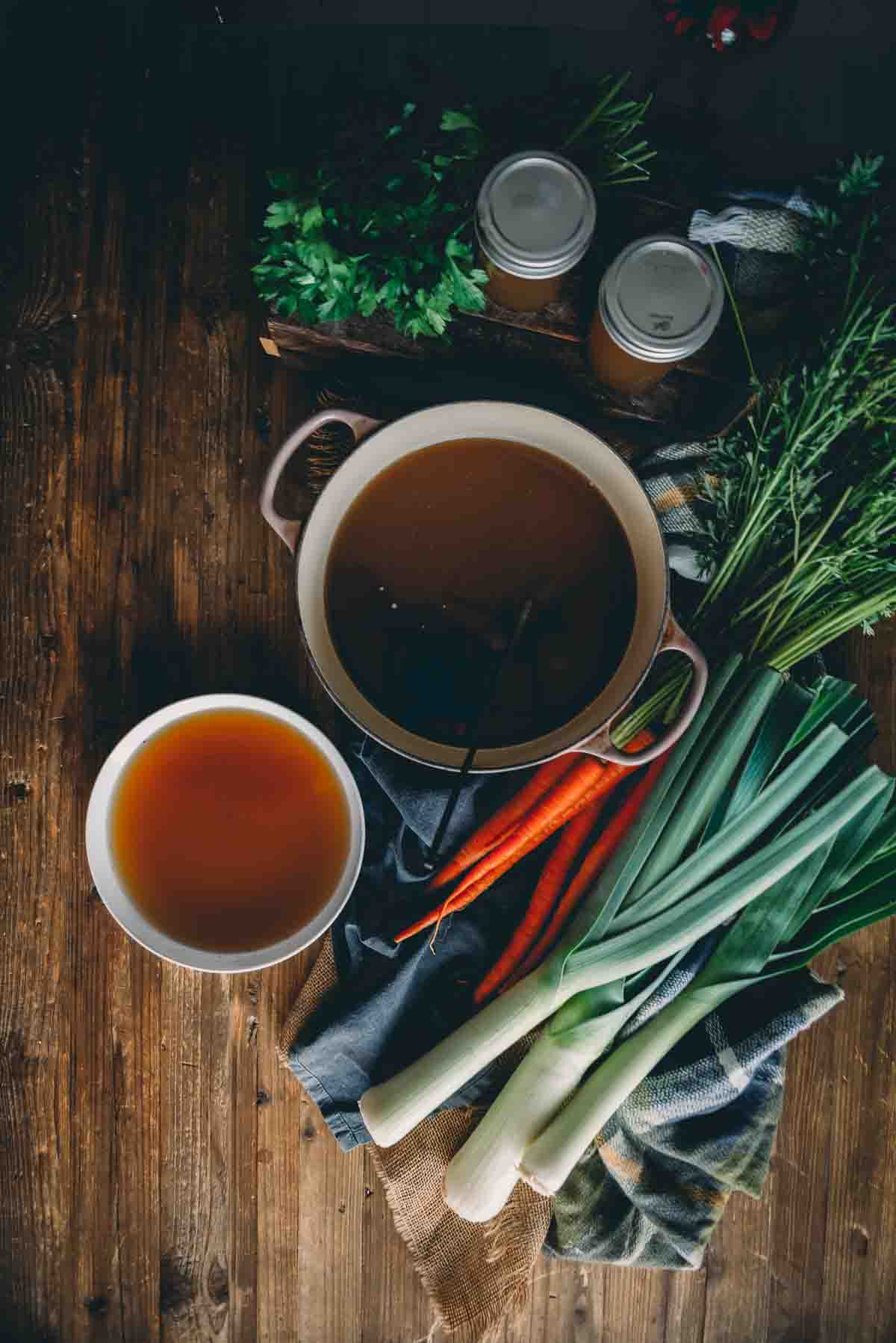
From Leftover Bones to Liquid Gold: Crafting Budget-Friendly Beef Broth
In a world increasingly focused on sustainability and mindful eating, transforming kitchen scraps into culinary treasures has become a highly sought-after skill. Few transformations are as rewarding or as impactful as turning humble leftover beef bones into a rich, flavorful, and incredibly versatile homemade beef broth. Forget the bland, overly salty store-bought versions; this guide will walk you through the process of creating a deeply satisfying broth that not only elevates your cooking but also saves you money and reduces food waste.
Imagine a broth so pure, so robust, that it becomes the backbone of countless dishes, from comforting soups and savory sauces to succulent roasts. This isn't just about making a stock; it's about crafting liquid gold, a wholesome elixir packed with nutrients and unparalleled depth of flavor. Whether you're a seasoned home cook or a curious beginner, the journey from discarded bones to a magnificent broth is surprisingly simple and incredibly gratifying.
Why Homemade Beef Broth Reigns Supreme
The allure of homemade beef broth goes far beyond just taste. It embodies a philosophy of wholesome cooking, offering benefits that boxed alternatives simply cannot match.
Unmatched Flavor & Purity
The most compelling reason to make your own beef broth is the flavor. Slow-simmering roasted bones, along with carefully selected vegetables and herbs, extracts a complex tapestry of tastes that is impossible to replicate commercially. This isn't just a salty liquid; it's a deep, umami-rich foundation that speaks of hours of patient extraction. Furthermore, homemade means you control every single ingredient. There are no mysterious additives, no artificial flavors, and certainly no excessive sodium. It's just real, simple goodness, offering a clean and wholesome base for all your culinary endeavors.
The Budget-Friendly Bonus
One of the most appealing aspects of crafting your own beef broth is its incredible cost-effectiveness. Those bones leftover from a roast or a steak night, often destined for the bin, become the star ingredient in a batch of liquid gold. Instead of paying premium prices for mediocre store-bought options, you're essentially turning potential waste into a valuable kitchen staple. This "budget-friendly magic" not only stretches your food dollar further but also imbues your cooking with a sense of resourcefulness and ingenuity.
Tailored to Your Taste
Unlike pre-packaged broths, making your own offers complete control. You decide the intensity of the flavor by adjusting simmering times and ingredient ratios. Want a richer, more gelatinous broth? Opt for more meaty bones and a longer simmer. Prefer a lighter touch? Adjust accordingly. Crucially, homemade broth is typically unsalted, allowing you to season your final dishes precisely to your liking without worrying about over-salting a recipe. This level of customization is a game-changer for any serious cook.
Gathering Your "Liquid Gold" Ingredients
The beauty of making homemade beef broth lies in its simplicity, but selecting the right components can significantly impact the final product. Think of these as your building blocks for unparalleled flavor.
The Star: Beef Bones
The quality and type of bones you use are paramount. For the richest, most gelatinous broth, seek out bones with some meat and connective tissue still attached. Excellent choices include beef neck bones, beef shank, oxtail, or short ribs. These cuts are rich in collagen, which breaks down during slow simmering to create that desirable mouthfeel and nutritional boost. Don't worry if you don't have enough bones from a single meal; a clever tip is to freeze leftover bones in a ziplock bag until you've accumulated a sufficient quantity for a full batch. This practice not only ensures a plentiful supply but also champions a no-waste approach in your kitchen.
Aromatic Allies: Vegetables & Herbs
While optional, vegetables and herbs add layers of flavor and nutrients to your broth. A classic mirepoix of onion, carrots, and celery is a fantastic starting point. Garlic cloves, bay leaves, and black peppercorns further enhance the aromatic profile. For herbs, parsley stems are wonderfully complementary and can be used generously (think 12-15 stems). Thyme, however, should be used sparingly (2-4 sprigs) as its flavor can become overpowering. A crucial insight: avoid vegetables and herbs that can turn bitter when slow-simmered, such as peppers, broccoli, cabbage, or rosemary and basil. Their delicate flavors are best reserved for dishes where they can shine without prolonged cooking.
The Unsung Heroes: Water & ACV
Cold water is essential for extracting impurities and ensuring a clear broth. Avoid hot water, as it can cause proteins to seize too quickly, leading to a cloudy result. A small splash of apple cider vinegar (ACV) is a traditional secret weapon. Its mild acidity helps to draw minerals and collagen from the bones, enriching the broth's nutritional content and flavor. Don't worry, you won't taste the vinegar in the finished product.
The Art of Crafting Your Homemade Beef Broth
Making beef broth is more of an art than a strict science, but following these steps will guide you to a consistently delicious result. Patience is your most valuable ingredient.
Step 1: Roasting for Depth
This is arguably the most critical step for developing profound flavor. Preheat your oven to a high temperature (around 425°F or 220°C). Spread your beef bones evenly across one or two large baking sheets. Drizzle them with a little olive oil and toss to coat. Roast for about an hour, flipping halfway through, until the bones are deeply browned and caramelized. This browning process creates a rich, savory depth that permeates the entire broth. Once roasted, transfer the bones and any accumulated drippings to a large stockpot. The drippings are pure flavor!
Step 2: The Gentle Simmer
To the pot with your roasted bones and drippings, add your chosen vegetables, herbs, peppercorns, and apple cider vinegar. Pour in enough cold water to just barely submerge the ingredients. Stir gently just a few times, then resist the urge to stir further – excessive stirring can lead to a cloudy broth. Bring the pot to a boil over medium heat, then immediately reduce the heat to low and simmer, uncovered, for an extended period. For a truly deep flavor, aim for 8-24 hours. A longer simmer extracts more flavor and gelatin. During this time, periodically skim off any scum that rises to the surface; this helps to keep your broth clear and clean-tasting. If the liquid level drops below the bones after several hours, add just enough cold water to keep them covered without diluting the existing broth too much.
Step 3: Clarifying Your Concoction
Once your broth has simmered to perfection, it's time to separate the liquid gold from the solids. Carefully strain the entire contents of the pot through a large colander set over another heatproof container. Let the solids drain for 5-10 minutes without pressing them. Pressing the solids will release cloudy particles and make your broth murky. Discard the spent bones and vegetables. For an exceptionally clear broth, strain the liquid again through a fine-mesh sieve lined with cheesecloth. You can repeat this step 2-3 times for pristine clarity. Once strained, allow the broth to cool to room temperature before covering and refrigerating. As it cools, any remaining fat will rise to the surface and solidify, making it easy to skim off later if desired, leaving you with a wonderfully clear, fat-free broth.
Maximizing Your Broth's Potential & Storage
With your beautiful homemade beef broth ready, you've unlocked a world of culinary possibilities. For more inspiration on making foundational broths, check out Unlock Pure Flavor: Your Guide to Wholesome Homemade Bone Broth.
Culinary Versatility
Your rich, unsalted beef broth is an indispensable kitchen staple. Use it as the base for classic French onion soup, a hearty beef stew, or a comforting ramen. It's perfect for deglazing pans to create incredible sauces and gravies, or as a braising liquid for tender meats. Many health enthusiasts and millennials have embraced sipping warm bone broth straight from a mug, appreciating its comforting warmth and perceived nutritional benefits. It's a natural source of collagen, amino acids, and minerals, making it a delicious and nourishing beverage.
Smart Storage Solutions
Once cooled, your beef broth can be stored in airtight containers in the refrigerator for up to 4-5 days. For longer storage, freezing is your best friend. Pour the broth into freezer-safe containers, leaving a little headspace for expansion. For convenient portioning, freeze it in ice cube trays or muffin tins; once solid, transfer the cubes to a freezer bag. This allows you to pull out just the amount you need for a quick sauce or to enrich a pan of roasted vegetables. Frozen broth will maintain its quality for several months, ensuring you always have this precious ingredient on hand.
Transforming leftover bones into a savory, nutritious, and incredibly versatile homemade beef broth is one of the most rewarding culinary endeavors. It's a testament to the power of simple ingredients, patient cooking, and a commitment to flavor and sustainability. Embrace the process, savor the aroma, and delight in the unparalleled taste that only truly homemade liquid gold can provide. Your kitchen, and your taste buds, will thank you.
