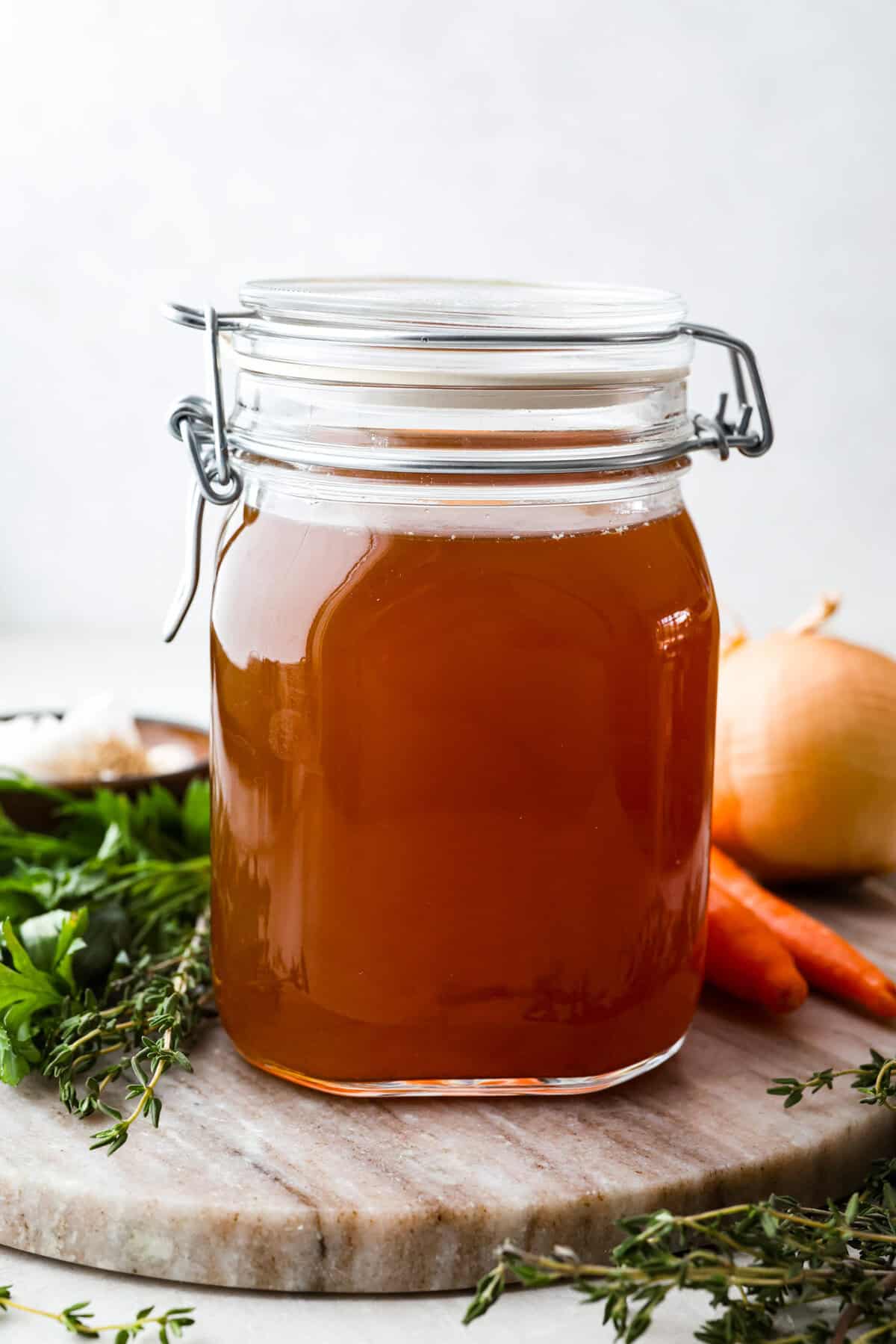
Unlock Pure Flavor: Your Guide to Wholesome Homemade Bone Broth
In a world increasingly seeking authenticity and natural goodness, few kitchen endeavors offer as much reward as crafting your own homemade beef broth. More than just a humble liquid, a well-made beef broth is a culinary cornerstone, brimming with deep, complex flavors and a wealth of nutrients. Whether you're a seasoned home cook or just beginning your journey into scratch cooking, mastering this staple will elevate your dishes, warm your soul, and transform ordinary meals into extraordinary experiences. Forget the bland, often additive-laden cartons from the supermarket; it's time to discover the rich, pure essence of slow-simmered perfection.Why Homemade Beef Broth Reigns Supreme Over Store-Bought
The allure of homemade beef broth goes far beyond simple convenience. While store-bought options are readily available, they simply cannot replicate the depth, purity, and nutritional profile of a broth lovingly prepared in your own kitchen.- Unparalleled, Rich Flavor: This is the most immediate and striking difference. Slow-simmering roasted bones, aromatic vegetables, and fresh herbs extracts a symphony of flavors that is truly ineffable. The deep, savory notes, often with hints of umami, are a testament to patience and quality ingredients. Boxed broths, in contrast, often taste watered down, artificial, or overly salty, lacking the true "beefy" essence.
- Clean and Wholesome Goodness: When you make your own, you control every single ingredient. This means no mysterious additives, preservatives, excessive sodium, or artificial flavorings. It's just real food, pure and simple, making your broth a truly clean foundation for your healthiest meals.
- Budget-Friendly Magic: Transform what might otherwise be discarded into a valuable kitchen asset. Leftover beef bones from a roast, inexpensive cuts from your butcher, and vegetable scraps can be turned into gallons of liquid gold. This is not only economical but also a wonderful way to practice mindful, zero-waste cooking. Learn more about making the most of your leftovers in our guide: From Leftover Bones to Liquid Gold: Crafting Budget-Friendly Beef Broth.
- Tailored to Your Taste: Whether you prefer a robust, intensely flavored broth for braising or a lighter, delicate stock for sipping, making it yourself allows for complete customization. You dictate the salt content, the balance of aromatics, and the simmering time to achieve your perfect profile. This versatility is key when using your broth as a base for diverse culinary creations.
- A Nutritional Powerhouse: Beyond flavor, homemade beef broth is packed with beneficial compounds often lost in commercial processing. Slow-simmering extracts collagen, which converts to gelatin, providing amino acids like glycine and proline. These are vital for joint health, gut integrity, healthy skin, hair, and nails. It's also a source of easily absorbable minerals like calcium, magnesium, and phosphorus.
The Essential Ingredients for Your Liquid Gold
The beauty of homemade beef broth lies in its simplicity. While the process takes time, the ingredient list is straightforward, focusing on quality components to build that deep flavor.- The Bones are Key: This is where the magic begins. For the richest, most flavorful, and gelatinous broth, opt for meaty beef bones. Excellent choices include neck bones, beef shank, oxtail, short ribs, knuckle bones, or even a mix. Don't worry if you don't have enough for a full batch right away; simply freeze bones in a zip-top bag until you've accumulated a sufficient quantity (typically 3-5 pounds for a standard stockpot). Roasting your bones beforehand is non-negotiable – this step caramelizes the meat and bones, developing deep, savory notes through the Maillard reaction that are impossible to achieve otherwise. If using leftover bones from a roast, you might skip re-roasting, but incorporating any pan drippings is highly recommended.
- Aromatic Vegetables: While optional, vegetables add essential layers of flavor and nutrients. The classic mirepoix of onions, carrots, and celery forms a perfect aromatic base. Garlic cloves are also a welcome addition. A word of caution: avoid vegetables that can turn your broth bitter, such as peppers, broccoli, cabbage, or overly strong herbs like rosemary and basil in large quantities.
- Fresh Herbs and Spices: These delicate additions provide complexity and brightness. A generous amount of fresh parsley stems (around 12-15) is excellent, while thyme sprigs (2-4) should be used more sparingly to avoid overpowering the beef flavor. Bay leaves and whole black peppercorns are also standard inclusions that round out the profile.
- Apple Cider Vinegar: A small splash of apple cider vinegar (ACV) might seem unusual, but it plays a crucial role. The acidity helps to draw out valuable minerals and collagen from the bones during the long simmer, enriching both the flavor and nutritional content of your broth. Don't worry, you won't taste it in the final product!
- Cold Water: Always start with cold water. This allows for a slower extraction of impurities and proteins, resulting in a clearer, cleaner broth.
- Salt (Later!): Reserving salt until your broth is finished is a golden rule. An unsalted broth is far more versatile, allowing you to season it appropriately for whatever dish you're preparing without worrying about over-salting.
Crafting Your Batch: A Step-by-Step Guide to Perfect Homemade Beef Broth
Making homemade beef broth is more about patience than complex technique. Follow these steps to achieve a truly exceptional result:- Roast Your Bones (and optional veggies): Preheat your oven to a robust 425°F (220°C). Spread your beef bones evenly across one or two large baking sheets. Drizzle lightly with olive oil and toss to coat. Roast for about 1 hour, flipping the bones halfway through. This roasting step is critical for developing that deep, rich color and flavor. You can also roast your carrots, celery, and onions alongside the bones for the last 30 minutes to deepen their sweetness.
- Transfer and Deglaze: Carefully transfer the roasted bones and any roasted vegetables to a large, heavy-bottomed stockpot (an 8-quart pot is usually ideal). Don't forget the flavorful drippings left on the baking sheets! Add a splash of cold water or a tiny bit of apple cider vinegar to the hot baking sheets and scrape up all those browned bits – this is pure flavor gold that needs to go into your pot.
- Assemble Your Pot: Add the rest of your raw aromatic vegetables (onions, garlic, celery, carrots), parsley stems, thyme sprigs, bay leaves, peppercorns, and the apple cider vinegar to the stockpot. Pour in enough cold water to just barely submerge the bones and vegetables. Resist the urge to overfill, as this can dilute the flavor.
- The Gentle Simmer: Bring the pot to a rolling boil over medium heat, then immediately reduce the heat to its lowest setting. You want to maintain a very gentle simmer – just tiny bubbles occasionally breaking the surface. Cover loosely or leave uncovered, allowing for some evaporation which intensifies flavor. Simmer for a minimum of 8 hours, and ideally 12 to 24 hours for a truly profound flavor and maximum gelatin extraction. The longer the simmer, the more developed and nutritious your broth will be. If the liquid level drops significantly and exposes the bones, add just enough cold water to keep them submerged without diluting the overall strength.
- Skim for Clarity: During the initial stages of simmering (and periodically throughout), a foamy "scum" will rise to the surface. Gently skim this off with a ladle or fine-mesh spoon. This helps to ensure a clearer, cleaner-tasting broth. Remember: do not stir the broth while it's simmering! Stirring can emulsify fats and solids, leading to a cloudy broth.
- Strain for Purity: Once your broth has simmered to perfection, carefully remove the large solids with tongs or a slotted spoon and discard them. Then, slowly pour the remaining liquid through a large colander into a heat-safe container. Let it drain for 5-10 minutes without pressing down on the solids (again, pressing can make it cloudy). For an exceptionally clear broth, strain it a second time through a fine-mesh sieve lined with cheesecloth. You can repeat this step 2-3 times for a truly pristine finish.
Maximizing Your Broth: Storage, Usage, and Creative Culinary Ideas
Once you've poured your golden elixir, proper handling ensures you can enjoy your homemade beef broth for weeks or months to come.Allow your freshly strained broth to cool completely to room temperature before covering and refrigerating. As it cools, a layer of fat will typically solidify on top. This fat cap acts as a natural seal, preserving the broth below. You can leave it on until ready to use, or carefully skim it off for a leaner broth. Don't discard the rendered beef fat – it's fantastic for cooking!
- Storage Solutions:
- Refrigerator: Your broth will keep well for 5-7 days in an airtight container.
- Freezer: For longer storage, freeze your broth! It can last up to 6 months. Consider freezing it in various portion sizes:
- Ice cube trays for quick additions to pan sauces or sautéed vegetables.
- 1-cup or 2-cup containers for individual servings or specific recipe needs.
- Larger containers (quart or half-gallon) for big batches of soup or stew. Remember to leave headspace in containers as liquids expand when frozen.
- Versatile Uses: The beauty of homemade beef broth lies in its endless culinary applications.
- Sipping: Warm a mug of broth for a comforting, nourishing drink.
- Soup Base: The ultimate foundation for hearty beef stews, French onion soup, minestrone, or any soup that calls for beef broth.
- Sauces and Gravies: The rich flavor and gelatin content make it perfect for creating deeply flavored pan sauces or luscious gravies.
- Braising Liquid: Use it to braise short ribs, pot roasts, or other tough cuts of meat, tenderizing them and infusing them with incredible flavor.
- Cooking Grains: Swap water for broth when cooking rice, quinoa, or couscous for an instant flavor upgrade.
- Enhance Roasts: Use it to baste roasts or add to the roasting pan for extra moisture and flavor. Our article How to Make Rich Homemade Beef Broth: Ditch Store-Bought provides more insights into boosting your cooking with this rich liquid.
- Creative Ideas:
- Deglaze your pan after searing steaks or chops to create an instant, intensely flavored pan sauce.
- Add a splash to mashed potatoes for an unexpected depth of flavor.
- Use it as the liquid base for a rich risotto.
- Make a delicious demi-glace by reducing a large quantity of broth down to a concentrated syrup.
